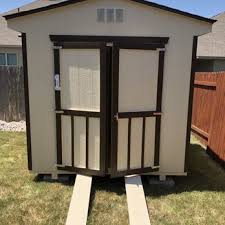
Cost considerations for portable structures encompass various factors that influence both initial investment and ongoing operational expenses. Here are key aspects to consider:Initial Investment:Design and Customization:Standard vs. Custom Designs: Customized designs may incur higher upfront costs compared to standard configurations.Architectural Features: Complexity of design, finishes, and structural requirements affect initial costs.Material Selection:Quality and Durability: Higher-quality materials typically involve greater initial costs but can reduce long-term maintenance expenses.Sustainability: Eco-friendly materials might have higher upfront costs but can offer savings through energy efficiency and lifecycle benefits.
Construction and Assembly:Prefabrication vs. On-Site Construction: Prefabricated structures may reduce labor costs and construction time compared to on-site assembly.Transportation and Installation: Costs associated with transporting modules to the site and installation logistics.Permitting and Regulatory Compliance:Permit Costs: Fees for building permits, zoning approvals, and regulatory compliance vary by location and structure type.Code Compliance: Ensuring adherence to local building codes and standards adds to initial costs.Operational Costs:Utilities and Maintenance:Energy Efficiency: Investments in energy-efficient HVAC systems, insulation, and lighting can lower ongoing utility expenses.Maintenance: Regular upkeep and repairs to preserve structural integrity and functionality.Insurance and Taxes:Insurance Premiums: Coverage for portable structures may vary based on location, usage, and risk factors.
Property Taxes: Assessments for portable structures may differ from traditional buildings depending on jurisdictional regulations.Long-Term Considerations:Durability and Lifespan:Expected Lifespan: Quality materials and construction methods contribute to longevity, reducing replacement costs over time.Resale Value: Residual value of portable structures can vary based on condition, location, and market demand.Flexibility and Adaptability:Scalability: Ability to expand or reconfigure portable structures to meet changing needs can influence long-term cost-effectiveness.
Reusability: Modular designs facilitate relocation and reuse, potentially lowering costs for future projects or expansions.Financial Planning and ROI:Return on Investment (ROI):Cost-Benefit Analysis: Assessing upfront costs against potential savings and benefits over the structure’s lifecycle.Budget Planning: Allocating funds for initial investment, ongoing expenses, and contingencies.Sustainability and Efficiency:Green Initiatives: Investments in sustainable features and practices can yield long-term cost savings through reduced energy consumption and operational efficiencies.Please visit https://affordableportable.com/ for more information.